

QUALIDENT
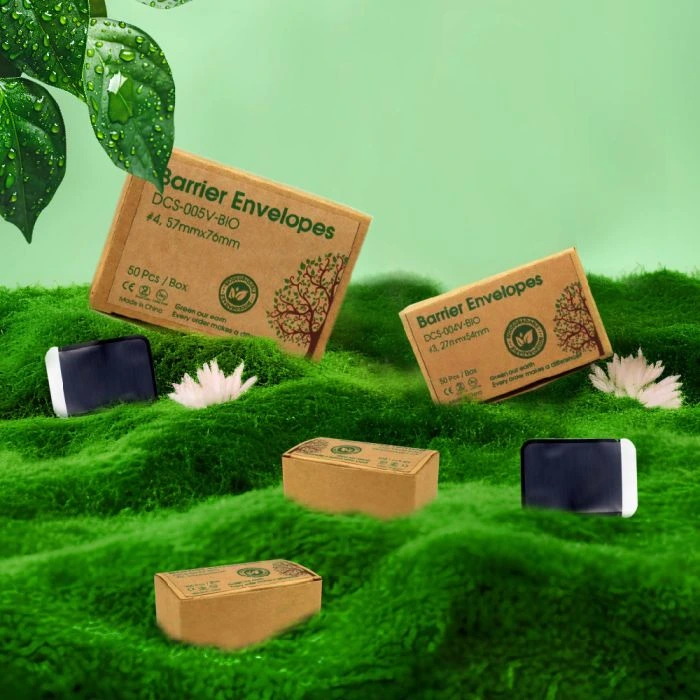
BIO Barrier Envelopes Top Loading #2, Pk100
$29.50
$16.50
Code: DCS-003V
Stock: In stock (1696 Remaining)
$29.50
$16.50

Ensure optimal protection and patient comfort with our biodegradable X-ray barrier envelopes, designed for fast, hygienic use during intraoral radiography. Featuring a vertical tear-off design, these envelopes make sensor handling and patient transitions quick and efficient while supporting eco-friendly disposal.
Key Features
- Fits sensor sizes: 3.1 cm x 4.1 cm
- Envelope size: 3.7 cm x 5.4 cm (Standard #2)
- Vertical cut design: Easy insertion and removal of sensors or phosphor plates
- Reduces cross-contamination: Ideal for single-use infection control
- Comfortable for patients: Smooth, rounded edges
- Durable, latex-free & tear-resistant: Reliable performance with added safety
- Biodegradable material: Environmentally responsible choice
- Bulk pack: 100 envelopes per pack
A perfect fit for standard adult sensors, these envelopes streamline workflow, maintain strict hygiene standards, and reduce environmental impact.
Understanding Biodegradable X-Ray Barrier Envelopes
Handling intraoral radiographs can quickly increase contamination risk during sensor changes. Biodegradable X-ray barrier envelopes help manage that risk.
Barrier envelopes are single-use sleeves placed over X-ray sensors or phosphor plates before positioning in the patient’s mouth. They create a protective layer between the device and oral tissues. After exposure, the envelope is removed and discarded, limiting direct contact with saliva and reducing cross-contamination risk.
These biodegradable X-ray covers perform the same infection control function as traditional plastic sleeves. The difference lies in the material. Instead of conventional petroleum-based plastics, they are manufactured using materials designed to break down more naturally over time under suitable disposal conditions.
What makes them different?
- Infection control support: They help protect sensors and reduce the need for intensive surface disinfection between patients.
- Single-use hygiene: Each envelope is discarded after use, supporting standard cross-infection protocols.
- Environmental consideration: As eco-friendly barrier envelopes, they are designed to reduce long-term environmental impact compared with standard non-biodegradable alternatives.
In clinical settings that generate high volumes of disposable protective items, small changes in material choice can contribute to broader sustainability goals. Biodegradable options provide the same protective function expected in radiography workflows, while aligning with sustainability goals within your clinic.
Why Choose Biodegradable Over Traditional Barrier Envelopes?
Infection control standards in clinical settings leave no room for compromise. At the same time, many teams are rethinking how disposable products impact long-term waste output. Biodegradable X-ray barrier envelopes address both in radiography workflows.
Key advantages include:
- Reduced environmental impact: Traditional plastic sleeves can remain in landfills for extended periods. Biodegradable barrier envelopes are manufactured using materials designed to break down more naturally under appropriate disposal conditions.
- Lower waste footprint: In high-volume radiography settings, barrier sleeves are used frequently. Choosing eco-friendly X-ray barrier covers can reduce the cumulative environmental burden over time.
- Maintains infection control standards: These envelopes continue to function as single-use protective barriers. They support the same cross-contamination protocols expected in dental and medical settings.
- Compatibility with clinical waste systems: They work within standard disposal processes, fitting into existing clinical waste streams while offering a better material alternative to conventional plastics.
- Alignment with sustainability goals: For clinics considering sustainable dental products, small adjustments in routine consumables can contribute to broader environmental initiatives.
Switching to biodegradable materials doesn’t require changes to your radiographic workflow. It’s simply a material change that supports environmental responsibility while maintaining established infection control standards.
Choosing the Right X-Ray Barrier Envelopes for Your Practice
Radiography workflows move quickly, so barrier selection should support that pace. When reviewing biodegradable X-ray barrier envelopes, it helps to consider fit, handling and how they integrate into your workflow.
Key factors to consider include:
- Top-loading design: A vertical or top-loading opening allows faster sensor insertion and removal, which can reduce handling time during patient transitions.
- Size compatibility: Confirm that envelope dimensions match your sensor or phosphor plate size. Poor fit can affect positioning and patient comfort.
- Durability and barrier integrity: The envelope should resist tearing during placement while maintaining a consistent protective layer. Strong seal performance supports infection control standards.
- Biodegradable vs standard materials: Clinics comparing options often weigh conventional plastics against biodegradable dental barrier envelopes. The latter is designed to break down more naturally over time, reducing long-term environmental impact.
- Packaging format: Box quantity influences stock rotation and storage space. Comparing the cost per unit among Australian X-ray barrier envelope suppliers can also help with budget planning.
- Compatibility with holders and dispensers: Ensure envelopes align with your current film holders and dispensing systems to avoid disruption to your workflow.
Many teams also look to consolidate radiography consumables through a single supplier. Orien Dental offers BIO Barrier Envelopes alongside film storage solutions and bite covers. Sourcing these related items in one place can assist clinics in maintaining a consistent supply without disrupting ordering routines.
Frequently Asked Questions - Biodegradable X-Ray Barrier Envelopes
What are X-ray barrier envelopes used for?
Barrier envelopes are single-use sleeves placed over X-ray sensors or phosphor plates during intraoral imaging. Biodegradable X-ray barrier envelopes create a protective layer between the device and the patient’s oral tissues. This supports infection control and reduces contamination of equipment.
Are biodegradable barrier envelopes durable enough for clinical use?
Yes, they are. These biodegradable envelopes are manufactured to resist tearing during insertion and removal, while maintaining barrier integrity. The biodegradable material does not compromise performance during clinical procedures. It functions as a protective layer throughout the radiographic process.
What does ‘top-loading’ mean?
Top-loading refers to the opening being positioned at the top edge of the envelope. The sensor or plate is inserted vertically. This design supports quicker placement and removal during patient transitions and reduces handling time.
Can these envelopes fit different sensor sizes?
Most envelopes are designed to match standard sensor dimensions, such as adult size #2. Checking both sensor size and envelope dimensions ensures a correct fit. A properly fitted envelope is important as it supports positioning accuracy and patient comfort.
Why should clinics choose biodegradable options?
Many clinics review material choices as part of their broader sustainability efforts. Biodegradable X-ray barrier envelopes offer:
- Reduced long-term environmental impact
- Maintained infection control standards
- Integration into existing clinical waste processes
How should they be stored before use?
Proper storage helps maintain barrier performance until the envelope is needed. Heat, moisture and prolonged light exposure can affect material strength over time. To support product integrity, make sure to:
- Store in a cool, dry area away from humidity
- Keep out of direct sunlight or near heat sources
- Leave envelopes in their original packaging until use
- Avoid compressing or stacking heavy items on top of boxes