
STRAUSS & CO.
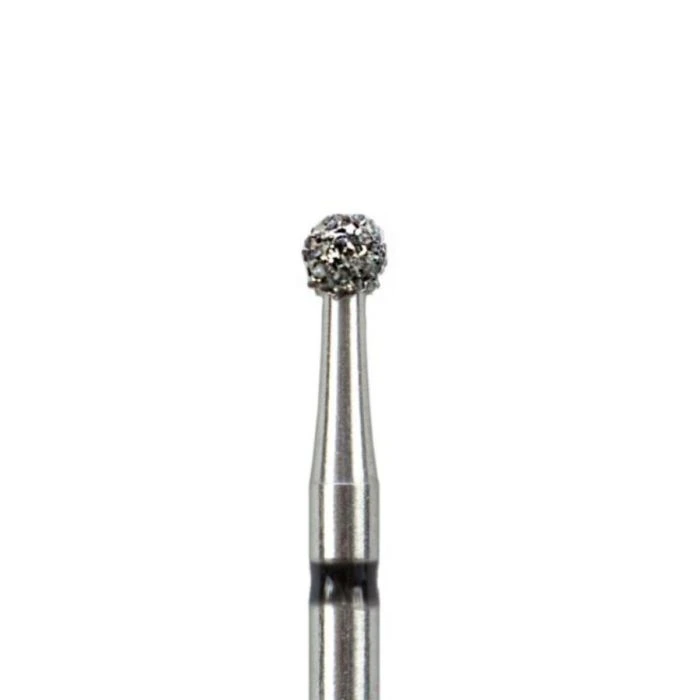
Diamond Bur #801-018 Super Coarse Round FG, Pack 3
$26.50
Code: A3SC
Stock: In stock (4 Remaining)
$26.50
Dental Professionals Product Only
This product is RESTRICTED and only available to Dental professionals whom are currently registered with the Dental Board of Australia and/or Dental Students who are currently undertaking their examination with the Australian Dental Council (ADC). By checking the agree box, I agree that I meet these terms & conditions.

The Diamond Bur #801-018 Super Coarse Round FG, Pack 3 is the bur you reach for when you need fast reduction with a wide cutting surface that engages immediately. The 018 round head gives you a broad contact point that works well for bulk removal, early contouring and creating access in dense enamel or restorative material. It has earned a 4.5/5 Star Dental Advisor Rating and comes in a pack of three.
Key Features
- Super coarse grit for rapid reduction during the initial cutting phase
- Round head profile for broad, even contact on enamel and restorative material
- 018 diameter suited to access creation and bulk contouring
- High-quality FG construction compatible with standard high-speed handpieces
- 3 pieces per pack (price listed per pack)
Understanding the Diamond Bur #801-018 Super Coarse Round FG
When you want a strong initial contact and confident entry into enamel or restorative material, the Diamond Bur #801-018 Super Coarse Round FG, Pack 3 is the type of instrument that fits naturally into that workflow. It is a diamond-coated bur designed for high-speed handpieces, giving you a spherical cutting surface that engages immediately during early reduction.
Each part of the name points to a specific feature of the bur:
- #801-018: This identifies an 801 round diamond bur with an 018 diameter, giving you a broad spherical head suitable for bulk removal, access creation and initial contouring.
- Super Coarse Grit: A super coarse round bur uses larger diamond particles that cut rapidly during the first stage of preparation. This helps when you need decisive entry through enamel or dense restorative material.
- Round Profile: The spherical head offers a uniform cutting surface, allowing controlled penetration and early shaping of occlusal or internal anatomy.
- FG (Friction Grip): This specifies compatibility with standard high-speed turbines used in restorative dentistry and endodontic access.
In practice, round burs offer a different kind of control compared with other shapes, especially during early access and shaping.
- A round head creates an entry point that widens in a controlled, circular path.
- Taper burs are used to define axial walls.
- Needle burs reach into narrow or restricted areas.
- Cylinder burs create flat planes and establish shoulder margins.
Each shape directs the cut in its own way, and the round profile is particularly useful when you need clear entry and early contouring at the start of a prep. Because of this, round burs are widely used in operative dentistry as they support caries removal, occlusal access and controlled entry into deeper layers.
Among commonly selected dental burs, the 801 profile remains one of the most familiar, giving clinicians predictable enlargement and early contouring before switching to finer instruments.
Clinical Uses & Benefits of the 801 Super Coarse Round Diamond Bur
Clinicians rely on the Diamond Bur #801-018 Super Coarse Round FG, Pack 3 when they need decisive entry into enamel or restorative material and a broad cutting surface that engages immediately. The spherical head gives strong initial contact, and the super coarse grit accelerates early reduction where speed and tactile control matter.
- Creating initial cavity access: A super coarse round diamond bur establishes a clear entry point during the first stage of access. The round profile supports controlled enlargement as you move deeper into the lesion.
- Rapid removal of carious dentine: The spherical head engages softened dentine efficiently. This helps progress through carious zones before transitioning to a finer bur for refinement.
- Removing old restorative material: An FG round burs configuration is useful for clearing composite or older restorative surfaces. The 018 diameter gives a broad contact area that lifts material rapidly.
- Access opening in endodontics: The round profile works well during early access creation. It helps outline the initial chamber entry before switching to tapered burs for directional shaping.
- Efficient bulk enamel reduction: As part of dental diamond burs in Australia commonly chosen for aggressive reduction, the super coarse grit helps clear enamel quickly. This supports the early stage of contouring during restorative or preparatory work.
- Strong cutting action with tactile feedback: The spherical head provides controlled engagement with the surface. This allows the clinician to gauge depth, progress and resistance more intuitively during the first passes.
How to Choose & Use Round Diamond Burs Effectively
When early reduction needs to begin decisively, the Diamond Bur #801-018 Super Coarse Round FG, Pack 3 is a common starting point. How well it performs depends on the grit you choose, the technique you use and the handpiece settings guiding the cut.
1. Choosing the right grit for you
- Super coarse grit is used at the start of the prep when you need fast entry into enamel or restorative surfaces.
- Selecting round diamond burs at this stage helps clear bulk material effectively.
- Medium grit works well once the shape begins to form, and fine grit is best for finishing margins and contouring.
- This sequence keeps each stage controlled and predictable.
2. Using the round profile for controlled access
- The spherical head gives you a clear entry point and steady early shaping.
- A super coarse dental bur guide usually places round burs in the early access phase, because they enlarge openings conservatively and keep the cutting path centred.
- This shape remains one of the most commonly used options for early operative work.
3. Technique, speed and cooling
- High-speed handpiece settings should stay consistent to keep the bur performing well.
- Water spray helps manage heat during longer contact.
- Controlled pressure prevents gouging and keeps your entry path on track.
4. Proper sterilisation and storage
- Good handling protects the diamond surface and extends the life of the bur.
- Store burs in a dry bur block after cleaning.
- Make sure the bur is fully dry before autoclaving.
- A quick inspection after each cycle confirms the head is still intact.
5. Knowing when to replace a bur
- Wear usually becomes noticeable early in the cut.
- Diamond burs designed for high-speed use that slow during the first enamel pass are showing signs of abrasive wear.
- Extra vibration is another sign of surface breakdown.
- If you need more pressure to keep reducing structure, the bur should be replaced.
Frequently Asked Questions - Diamond Bur #801-018 Super Coarse Round FG, Pack 3
What procedures are needle diamond burs best suited for?
Round super coarse burs excel in early access and high-volume reduction. The spherical head gives strong initial contact and controlled entry. Common clinical uses include:
- Opening initial cavity access
- Removing carious dentine efficiently
- Clearing old composite or restorative material
- Creating early access during endodontic entry
- Bulk enamel reduction before refinement
What does ‘super coarse’ grit mean in practice?
Super coarse grit refers to larger diamond particles that cut rapidly during the early phase of reduction. This grit level helps you progress through enamel or restorative material with decisive contact.
How does a round bur differ from a taper bur?
A round bur creates a broad spherical entry point that expands uniformly as you deepen the cut. Meanwhile, a taper bur produces defined axial walls suitable for shaping and directional control.
Clinically, the difference affects how the cavity form develops and how the preparation transitions into refinement phases.
Can this bur be used on both enamel and restorative materials?
Yes, the round profile engages both surfaces effectively. It provides consistent contact during the first passes, even when transitioning between substrates. The super coarse grit accelerates removal on dense enamel and on composite or other restorative materials.
How should diamond burs be sterilised?
The Diamond Bur #801-018 Super Coarse Round FG, Pack 3 should be cleaned and sterilised carefully to protect the diamond layer. Rinse immediately after use to remove debris, then place it in an ultrasonic cleaner for thorough decontamination. Full drying before autoclaving prevents corrosion and maintains cutting quality.
How do I know when to replace a bur?
A worn bur becomes obvious during the first few contacts with enamel. Cutting slows on fresh surfaces and resistance increases. Vibration during use is another indicator that the abrasive surface has broken down and the bur should be replaced.